How Much Does Water Damage Cleanup Cost? What Changes the Price
Water damage cleanup cost depends on the type of water, the area it reached and how fast cleanup starts. Here is what moves the price and how to keep it down.
Water damage cleanup costs vary because no two floods are the same size: a small clean-water leak caught within a day is a small job, and a flooded house that sat for a week is a large one. Four things set the price: the type of water, the area it reached, how long it sat and what it soaked. This guide walks through each one so you can read a quote and know why it came out the way it did.
We give a price for each job after seeing the water, since no single number covers a washer hose and a monsoon flood.
What decides the cost of water damage cleanup?
The cost of water damage cleanup is decided by the amount of labor, equipment time and material removal your specific job needs. Water damage cleanup is the removal of water from a building and the drying of the structure so that it does not keep deteriorating. Everything on a quote ties back to one of three buckets.
- Water removal: pumping, vacuuming and extracting standing water and water in carpet and pad.
- Drying: air movers, dehumidifiers and daily moisture readings for several days.
- Material removal and cleaning: cutting out wet drywall, insulation or carpet that cannot be saved, plus cleaning when the water was dirty.
A quote that explains how many rooms, how many days of equipment and what has to be removed is a quote you can compare. A quote that gives one number with no explanation is harder to judge.
Does the type of water change the price?
Yes, the type of water is one of the biggest price drivers, because dirty water needs more cleaning and more material removal than clean water. The industry sorts water into three categories, and each category changes what has to be done.
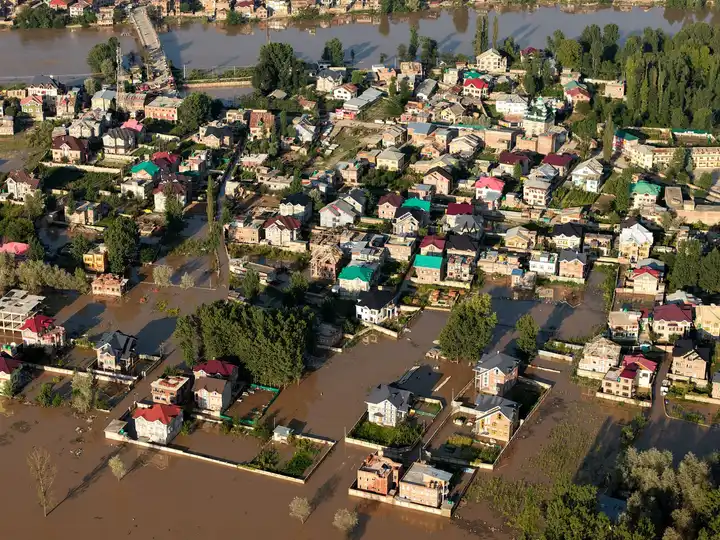
Category 1 is clean water from a supply line, a faucet or a tank. It is the least expensive to handle, and carpet and pad often have a chance of being saved if cleanup starts within the first day. Category 2 is gray water, such as dishwasher or washing machine overflow, which carries some contamination. Category 3 is heavily contaminated water, such as storm runoff, river water or sewage. Carpet, pad and wet drywall that soaked in category 3 water are generally removed, and surfaces are cleaned, not just dried.
Water also moves up a category as it sits. Clean water that stays on a carpet for several days picks up bacteria and dirt, which is why the first day matters so much.
For storm flooding, our Monsoon & Storm Flood Water Removal in El Mirage work includes the extra cleaning that this kind of water needs, which is part of why those jobs cost more than a clean-water leak of the same size.
How does the size of the wet area change the cost?
The size of the wet area changes the cost because more floor and wall means more water to remove, more equipment and more days of monitoring. A single bathroom is a smaller job than a hallway plus two bedrooms.
The size is not always what you see. Water spreads under walls and along framing into rooms that look dry, so we scan with a moisture meter and mark the real wet area before we quote. A quote built only on the stain you can see tends to grow when the meter finds more.
Water depth matters too. An inch of water across a room takes a pass with a pump and a wet vacuum. Several inches across a garage and hallway takes longer pumping and more passes. When standing water is the main problem, Emergency Water Extraction in El Mirage is the first step, and the faster it starts, the less water reaches walls and subfloor.
Why does time change the price so much?
Time changes the price because water keeps traveling and soaking into materials for as long as it is allowed to sit. The EPA advises drying a flooded home within 24 to 48 hours to limit the chance of mold growth, which is why the first day is the cheapest day to act.
A job that starts within hours often keeps drywall and baseboards in place. After a day or two, drywall softens, baseboards swell and carpet pad holds more water, so more material has to be removed. After several days, a damp smell has usually set in, and the job gets larger.
That is why calling early often costs less than waiting to see if the problem goes away. A leak that looks small on day one can become a much bigger job by day five, and the equipment time goes up with it.
How do the wet materials affect the price?
The materials that got wet affect the price because some can be dried in place and others have to be removed and replaced. This is the part that surprises people, because it is decided by the meter, not by how the room looks.
- Tile and concrete: usually dry in place and cost the least to handle.
- Drywall: often saved if it is dried within a day or two, cut out if it has softened.
- Carpet and pad: carpet can sometimes be saved with clean water, and pad is often removed.
- Wood and laminate flooring: can cup or buckle when moisture stays trapped, so drying has to be controlled.
- Insulation: holds water and is typically removed when it is soaked.
When a leak is inside a wall or ceiling, the work includes opening the wall and removing wet material. Our Ceiling & Wall Leak Water Cleanup in El Mirage work is priced around how much has to be opened and how big the wet area is, not around the size of the stain.
How long will drying equipment stay in your home?
Drying equipment typically stays in a home for three to five days, and the length of that stay is a real part of the price. The meter decides when it comes out, not the calendar.
Drying uses air movers to push air across wet surfaces and dehumidifiers to pull moisture out of the air. The EPA recommends keeping indoor humidity between 30 and 50 percent, and we measure the room against that. Each day we return, take readings and move equipment to the spots that are still wet.
Dense materials such as subfloor and wall cavities dry slowly, and a closed-in cavity can add a day or two. Our Structural Drying & Dehumidification in El Mirage service is built around those daily readings, so you can see the walls getting drier and know when the job is finished.
A way to keep drying cost down is to start the equipment early, keep the room closed while it runs, and not turn the air conditioning off. A warm, closed room dries faster than a cold, open one.
Common mistakes that raise the bill
The most common mistakes that raise the cost of water damage cleanup are waiting, guessing and doing the drying halfway. Each one is easy to avoid.
- Waiting to see if it dries. A surface can dry in a day in dry desert air while the wall cavity stays wet, and the damage keeps growing.
- Skipping the meter. Touch cannot tell you a wall is dry, and covering a wet wall with new paint locks the moisture in.
- Running one fan. A single household fan moves air but does not remove moisture from the room, so humidity stays high.
- Fixing the pipe but not the wall. The pipe repair stops the leak, but the wet drywall and insulation still have to dry.
- Throwing out everything. Hard surfaces and furniture can often be saved when the water was clean, so check before you discard.
If the source was a failed supply line, our Burst Pipe Water Cleanup in El Mirage work covers the water side while your plumber repairs the pipe, and the two jobs can run at the same time.
When to call a professional
You should call a professional when water covers more than a small area, when it has been sitting for more than a day, or when it came from a source you cannot identify. Those are the cases where guessing costs more than getting a clear price.
You should also call if the water touched drywall, carpet pad or the base of a wall, if there is a damp smell, or if the water was dirty. A professional with a moisture meter can tell you what can stay and what has to go, and the quote follows from that.
If a water heater or washer is the source, Appliance & Water Heater Leak Cleanup in El Mirage deals with the water on the floor and the wall behind the appliance, which is where the hidden damage usually is. Water Damage El Mirage Pros answers day or night, and we quote each job by itself after we see the water.
Frequently Asked Questions
Is water damage cleanup priced per square foot?
Some companies quote by square foot, and others quote by the job, but both depend on the same factors. Area, water type, drying days and materials removed all feed into the number. We quote each job after seeing the water.
Why is category 3 water more expensive to clean up?
Category 3 water is heavily contaminated, so carpet, pad and wet drywall are usually removed and surfaces are cleaned, not just dried. That means more labor and more disposal, which raises the price.
Does acting fast really lower the cost?
Yes. A job that starts within the first day often keeps drywall and baseboards in place, while a job that sits for several days usually needs more material removed and more days of drying.
How can I keep the cost of cleanup down?
Shut off the water source, call right away, keep the room closed while drying runs and let the meter decide what stays. Do not wait to see whether the problem goes away.
Get help with Water Damage Removal in El Mirage
If water is on your floor or in your walls, the sooner we start, the smaller the job. Call us for a price after we see the water.